The short version
Who handles industrial and warehouse moves in Barrie?
Barrie Movers, operated by Macho Movers Inc., relocates warehouses, workshops, stock rooms and light industrial units in Barrie and Simcoe County. We move racking, benches, tool storage, stock and shop equipment that can be handled with dollies, pallet jacks and lift-gate trucks.
What we move for industrial clients
| Category | Examples | How it travels |
|---|---|---|
| Storage systems | Pallet racking, shelving units, parts bins, mezzanine shelving | Taken apart, bundled, labelled by bay and rebuilt |
| Work areas | Workbenches, packing tables, tool chests, lockers | Emptied or secured, wrapped and strapped |
| Stock | Palletised goods, cartons, drums that are sealed and non-hazardous | On pallets, shrink-wrapped, loaded by lift gate or dock |
| Shop equipment | Compressors, bench tools, small presses, welders | Drained or disconnected first, then skidded or dollied |
| Offices on the floor | Supervisor desks, filing, break-room furniture | Moved with the same crew, labelled by area |
If you are unsure whether an item fits, send a photo with its weight and dimensions. We answer the same day during business hours.
Where this work happens in Barrie
Barrie's industry follows Highway 400. Units and plants sit on both sides of the highway, in the city's north and south ends and along the roads that feed the interchanges. The buildings range from older multi-tenant units with a single roll-up door to newer distribution space with rows of docks. Many clients move only a short distance, from a small unit to a larger one in the next business park, and the challenge is doing it between shifts.
We also move industrial clients between Barrie and Innisfil, Springwater, Oro-Medonte, Orillia and the Greater Toronto Area. For longer hauls, see long distance moving.
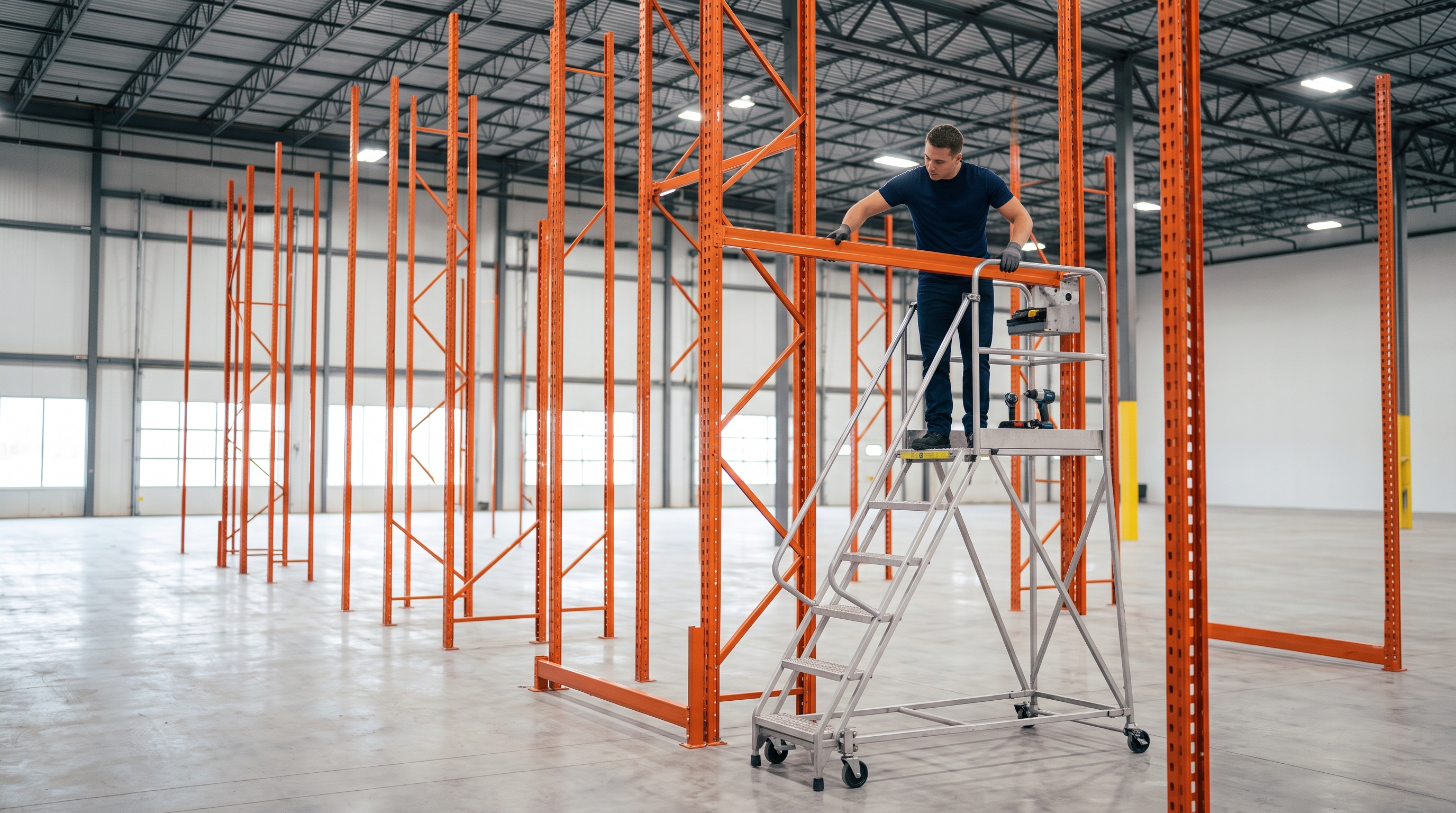
How an industrial move runs
- Survey. We walk the floor, measure doors and docks, list every item and note anything bolted down or wired in.
- Sequence. Together we decide what moves first. Usually slow-moving stock and spare racking go early, and production areas go last.
- Disconnects. Your electrician, gas fitter or equipment supplier disconnects powered equipment. We do not undo wiring, gas or air lines.
- Tear-down. Racking is unloaded, unbolted and bundled. Benches and cabinets are emptied or secured.
- Transport. Loads are strapped and blocked. Heavy pieces sit low and over the axles.
- Rebuild. Racking goes up to your layout. Anchoring to the floor and any required inspection are arranged by you with a qualified installer.
- Clean exit. The old unit is swept and left ready for the landlord's walk-through.
Safety and paperwork
Industrial sites have rules that houses do not. Before the move, tell us about site orientation, required protective equipment, restricted areas and any hours when trucks cannot use the yard. Our crews wear safety footwear and bring high-visibility vests when asked. A certificate of insurance can be provided on request for you or your landlord.
- List hazardous materials and arrange their transport with a licensed carrier
- Drain fuel, oil and coolant from equipment before it is tipped or lifted
- Lock out and tag out powered equipment before disconnecting
- Confirm floor load limits and door heights at the new unit
- Check whether the new building needs a racking permit or engineer's review
Keeping production going
Few plants can stop for a week. Three patterns work well. A weekend move starts after the Friday shift and has the floor usable by Monday. A phased move shifts one cell or one aisle at a time while the rest keeps running. A stock-first move transfers inventory over several evenings, then moves the equipment in one push. During the survey we will suggest the pattern that fits your schedule.
Related pages: office and commercial movers, storage for overflow stock and what goes into an estimate.